
Brazil Rare Earths: An Emerging Growth Platform
Confirmed ionic adsorption clay-hosted rare earth mineralisation at the Azimuth REE Project, with a clear pathway toward a JORC-compliant Mineral Resource Estimate, subject to exploration results.
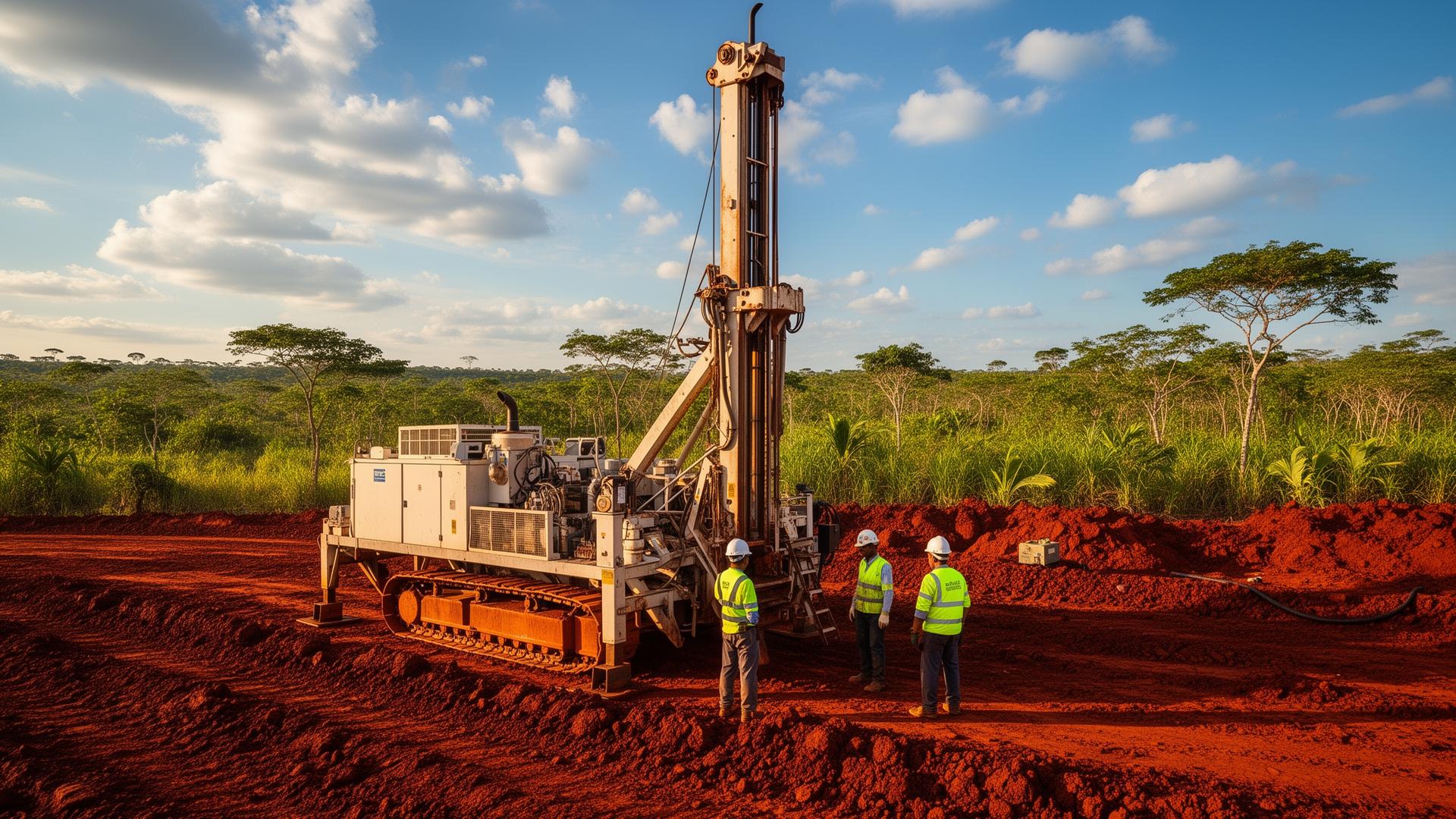
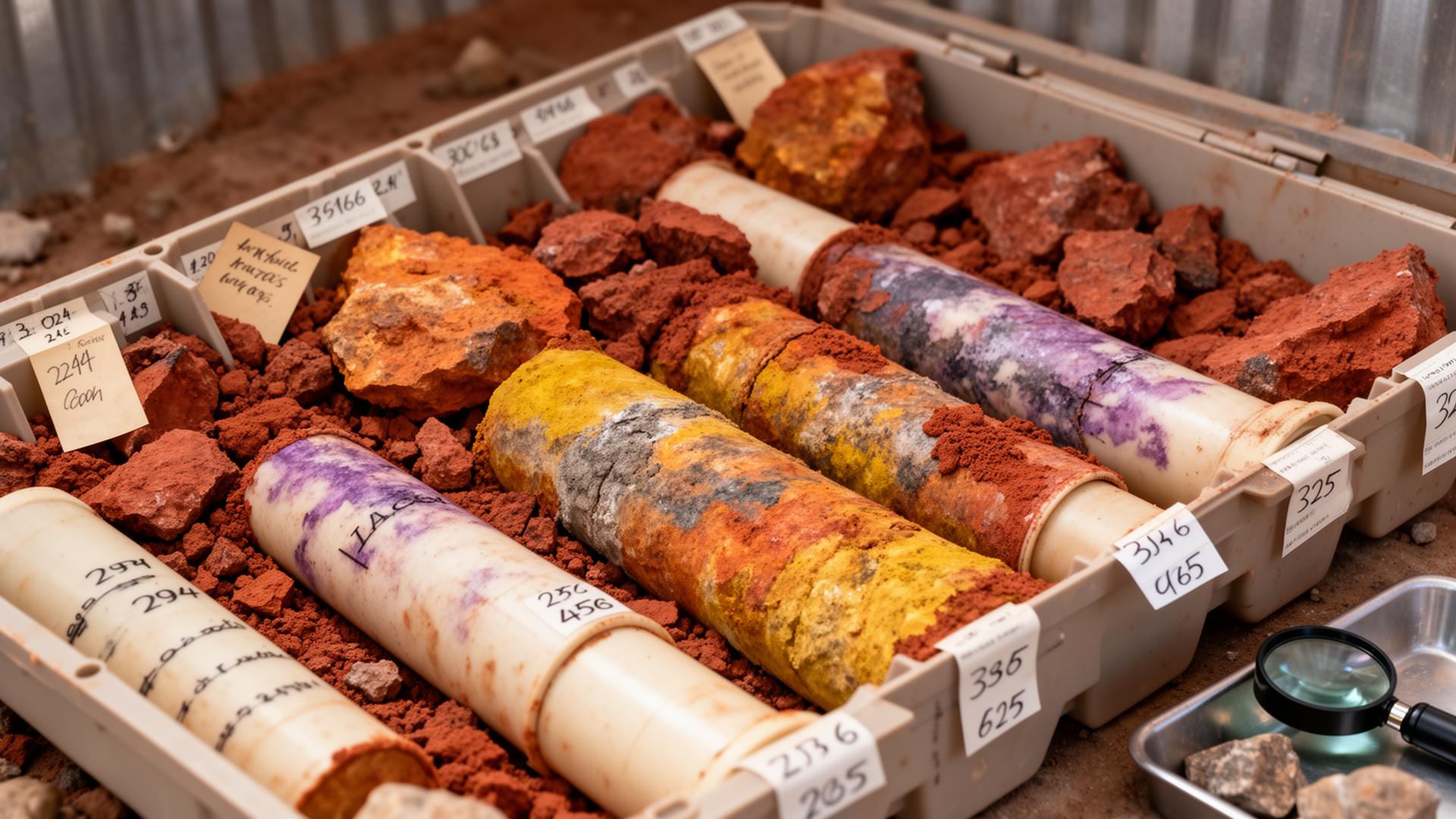
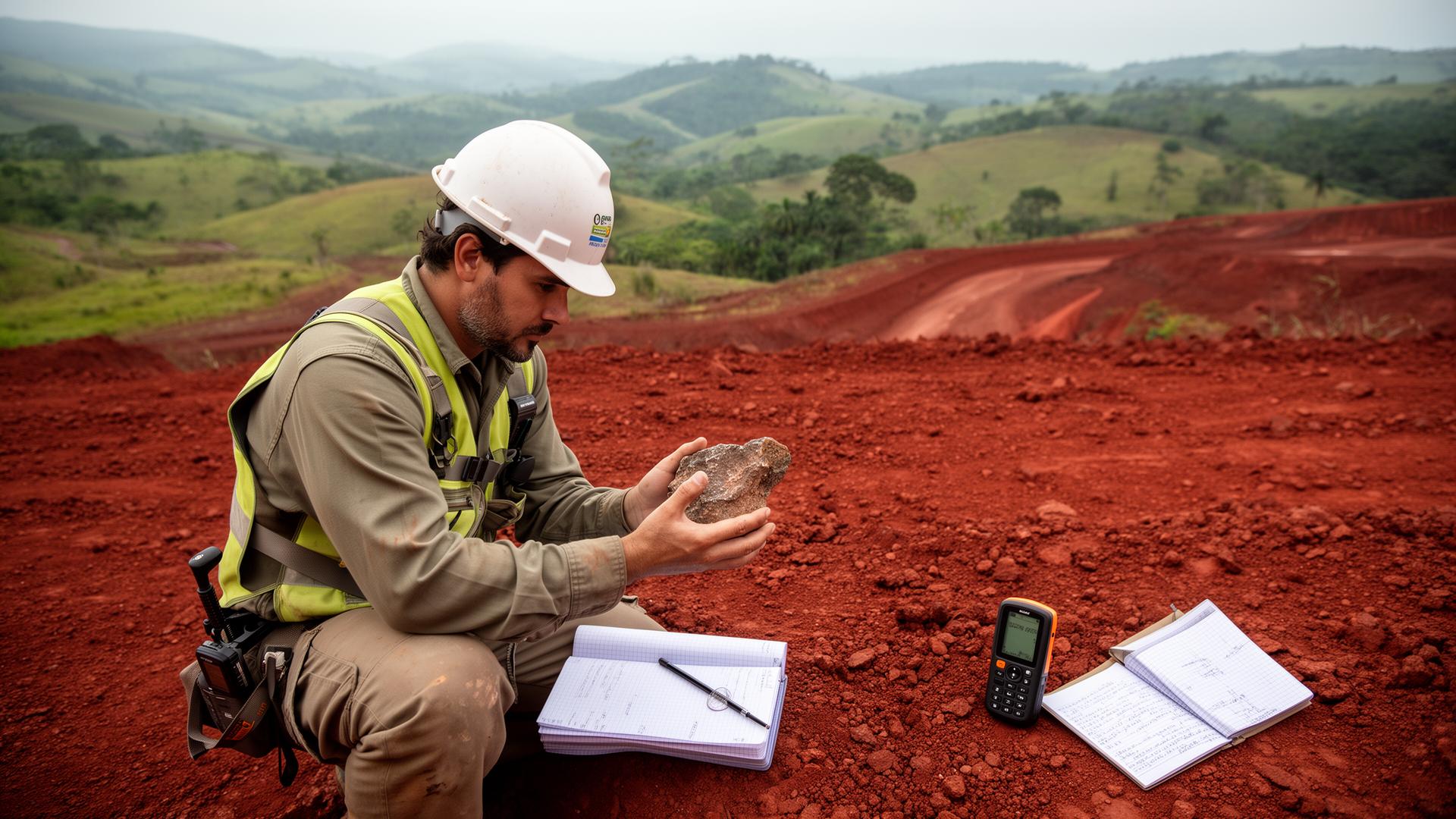
Overview
Magnum's Brazil rare earths portfolio includes the Azimuth REE Project and Palmares REE Project, located across highly prospective regions of south-central Brazil. Recent work has confirmed ionic adsorption clay-hosted rare earth mineralisation at the Piracanjuba prospect within the Azimuth Project.
- Azimuth REE Project includes the Piracanjuba targets
- Confirmation from desorption REE recoveries indicates IAC-hosted mineralisation
- Reported desorption recoveries of up to 75% TREO and 94% MREO under mild leaching
- First assays include up to 3,971ppm TREO and 1,360ppm MREO
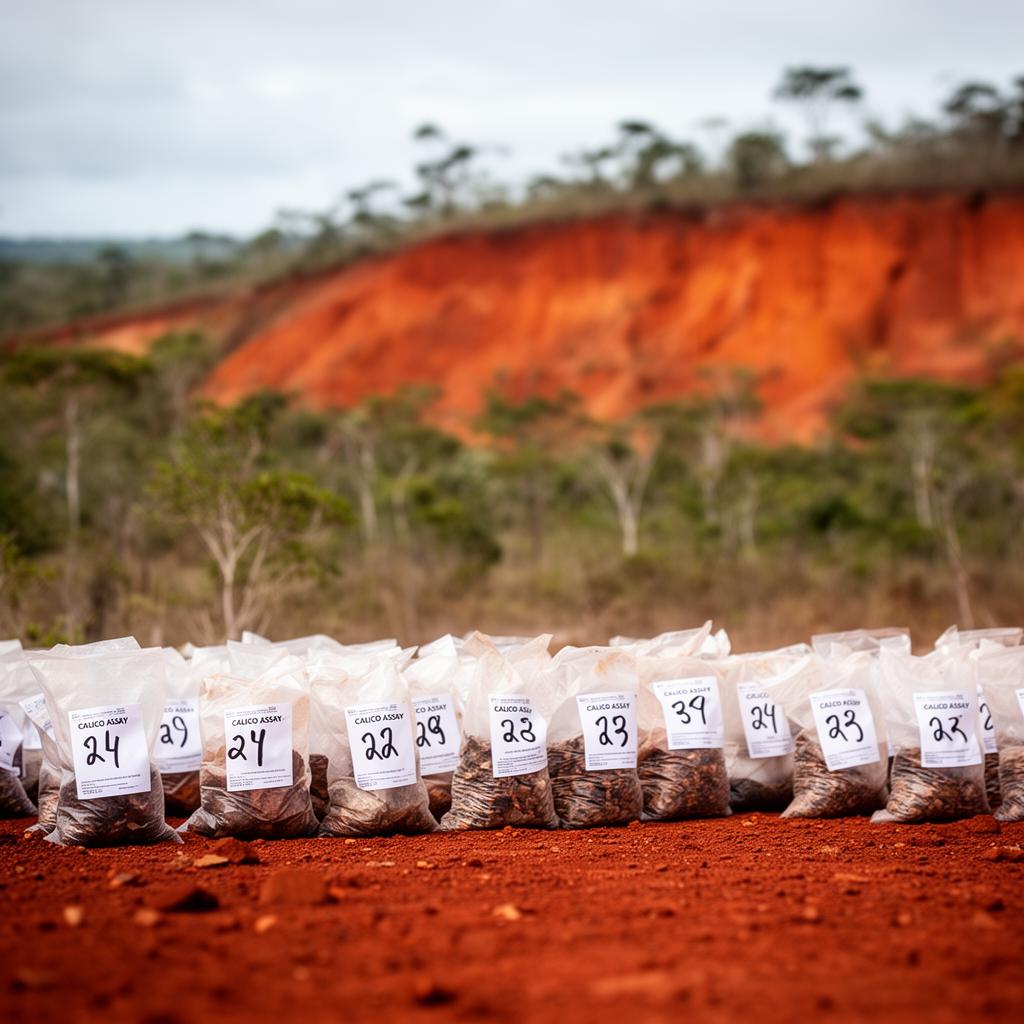
- All 13 first-pass auger holes intersected near-surface REE mineralisation
- Located within the Azimuth 125° Lineament, ~50km from CMOC's Catalão Project
- 200m × 200m grid drilling programme planned toward MRE — targeted Nov 2026, subject to results
Azimuth REE Project
Magnum's lead Brazil rare earths project, with confirmed ionic adsorption clay-hosted REE mineralisation at the Piracanjuba prospect and an active drilling programme.
Piracanjuba Target
High-priority target within the Azimuth Project. Approximately 85km² geophysical footprint at Piracanjuba North, with first-pass drilling suggesting potential lateral continuity.
Palmares REE Project
Complementary REE landholding within Magnum's broader Brazil rare earths growth platform, with further work planned.
Forward Work Programme
200m × 200m grid drilling programme planned to advance toward a JORC-compliant Mineral Resource Estimate, targeted for November 2026, subject to exploration and technical results.
What is Ionic Adsorption Clay?
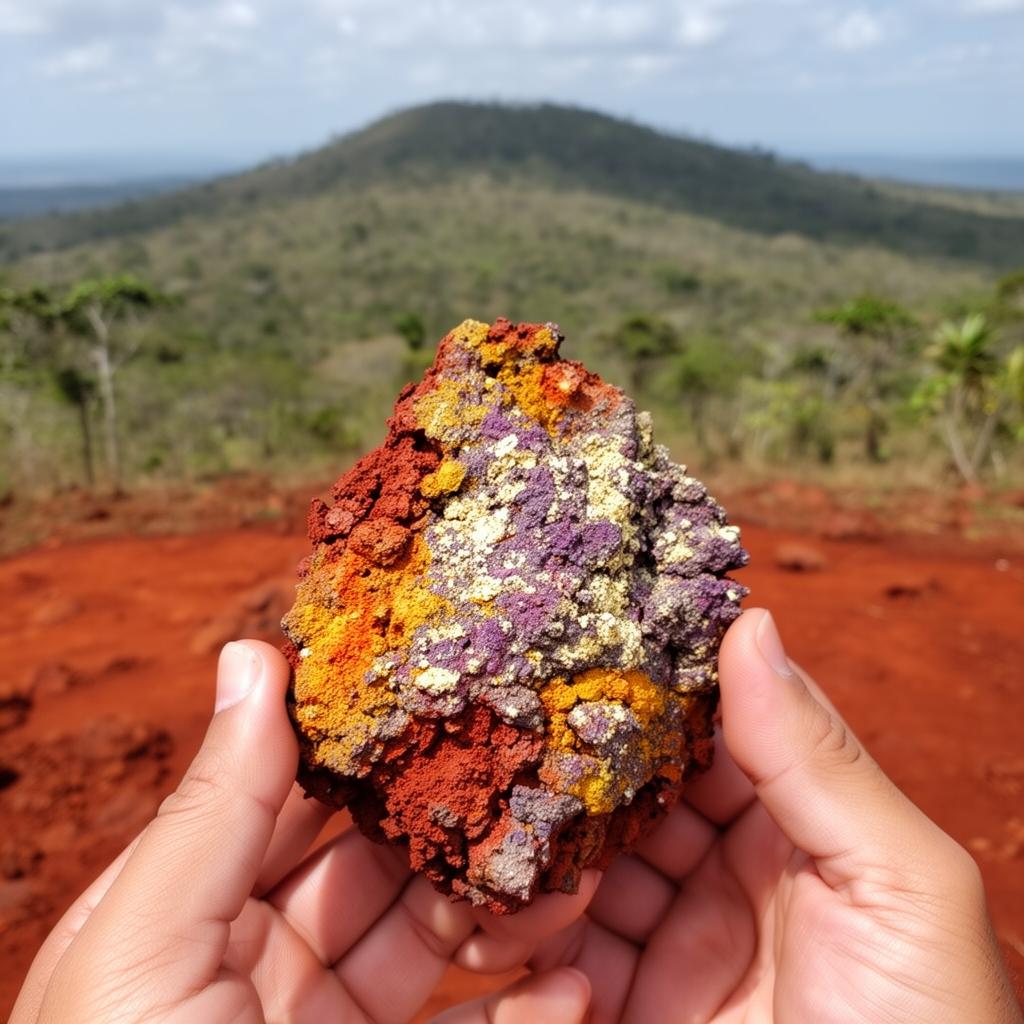
Ionic adsorption clay (IAC) rare earth deposits are formed by weathering of REE-bearing source rocks. Rare earth ions are loosely adsorbed onto clay minerals near surface and may be liberated using mild leaching reagents under appropriate conditions, subject to test work.
IAC deposits are globally significant because they may offer near-surface mineralisation and simpler processing characteristics compared with some hard-rock REE systems.
Why Magnet Rare Earths Matter
Magnet rare earth elements (MREO) — including Nd, Pr, Dy, and Tb — are critical inputs to permanent magnets used in EV motors, wind turbines, robotics, defence systems, and high-performance electronics. Diversified, secure supply is increasingly recognised as a strategic priority.
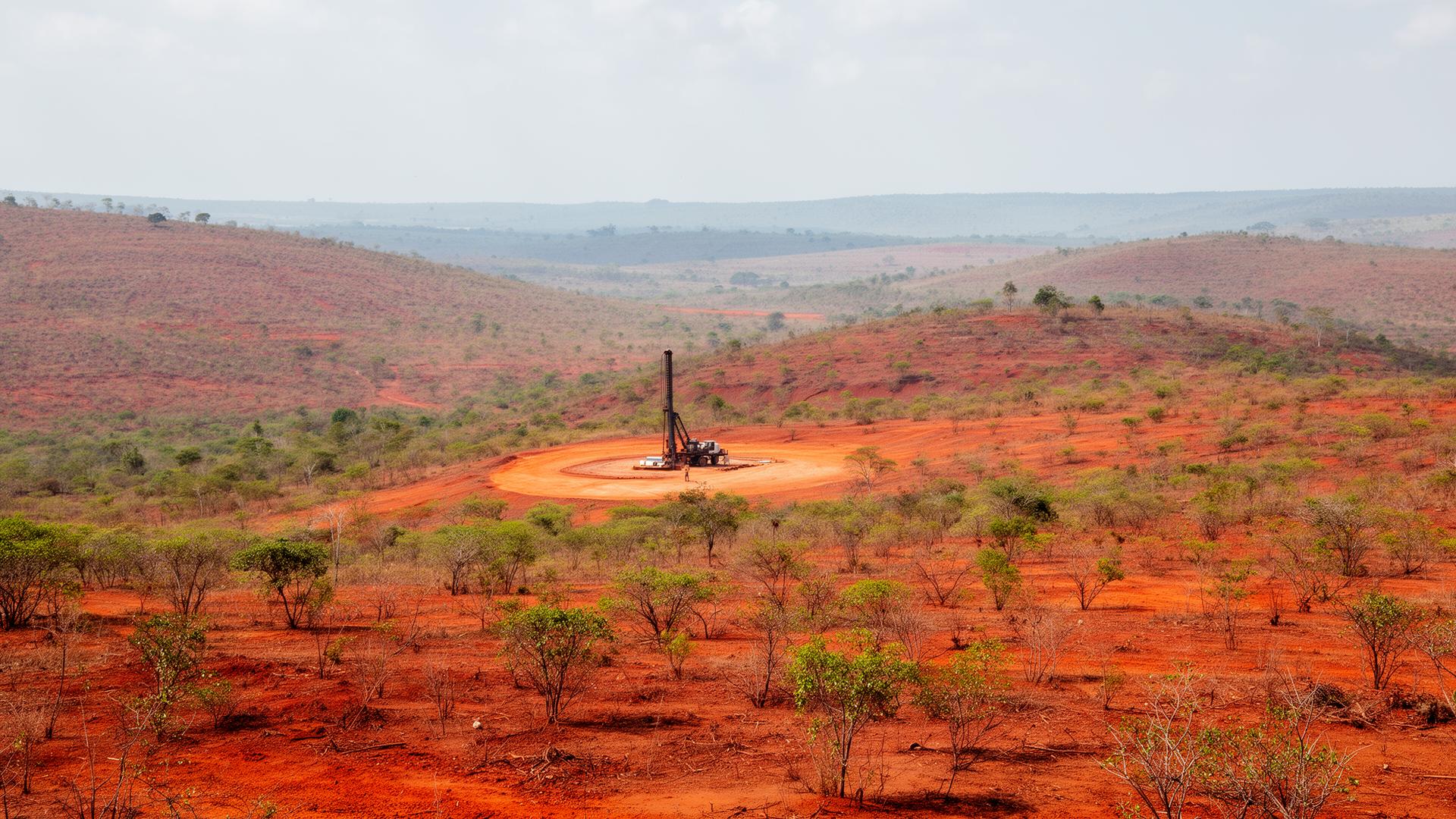
Early-stage results from Piracanjuba
Peak TREO in early assays
Peak MREO reported
TREO / MREO desorption recoveries reported
First-pass auger holes intersecting REE
Refer to Magnum ASX announcements dated 11 Feb 2026, 19 Feb 2026, 10 Apr 2026, and 5 May 2026 for full details, assumptions, and competent person statements.
Forward work programme
- Q1 2026
IAC discovery confirmed at Azimuth
- Q2 2026
Large-scale drill programme launched
- Q3 2026
200m × 200m grid drilling progresses
- Q4 2026
Targeted JORC MRE, subject to results
Refer to Magnum's ASX announcements
Stay informed as Magnum advances its rare earths exploration pipeline.
Follow our progress across Brazil and the United States as we advance critical minerals exploration toward resource definition.